

What is Perimenopause and Menopause?
PERIMENOPAUSE AND MENOPAUSE SUPPORT FOR WOMEN IN MIDLIFE IN DUNDAS AND VIRTUALLY ACROSS ONTARIO
Perimenopause doesn’t always look the way we expect it to.
It doesn’t always start with hot flashes.
Or show up in obvious ways.
Sometimes it begins with subtle shifts…
in your mood, your energy, your focus, or your sense of self.
If you’ve been wondering whether what you’re experiencing could be related, this is a place to pause and reflect.


“The ‘M’ in menopause stands for ‘Metamorphosis.’ It’s a transformation, a journey that ultimately leads to self-discovery and empowerment. ”

What’s the difference between menopause and perimenopause?
These terms are often used interchangeably, but they describe parts of the same transition.
Understanding the difference can help you make sense of what you’re experiencing.
PERIMENOPAUSE
(the transition leading up to menopause)
Hormones begin to shift, often bringing a mix of physical and emotional changes. This can last several years and is often the most unpredictable.
MENOPAUSE
(a single point in time)
Menopause is reached when a person has gone 12 consecutive months without a menstrual period. It marks the end of your reproductive years, but not the end of the changes your body is moving through.
POST-MENOPAUSE
(the stage after menopause)
Your body continues adjusting to new hormone levels. For some, symptoms begin to settle. For others, certain changes may continue and still benefit from support.
Wherever you are along this path, you deserve support that meets you there.

Common Experiences of Perimenopause
Perimenopause is a hormonal transition that can affect the brain, body, and nervous system in different ways.
While many people expect physical symptoms, emotional and cognitive changes are often just as common—and sometimes show up first.
-
Many people notice changes in their mood during perimenopause, including increased irritability, low mood, or emotional sensitivity. These shifts can feel unfamiliar, especially if they don’t seem connected to external circumstances.
Fluctuations in estrogen can influence neurotransmitters like serotonin and dopamine, which play a key role in mood regulation. As hormone levels rise and fall unpredictably, emotional responses can feel less stable or more intense.
For some, this may look like feeling tearful more easily, having a shorter fuse, or experiencing periods of low motivation or flatness. These changes can come and go, making them difficult to track or make sense of.
-
Anxiety during perimenopause is often described as feeling different from past experiences. It may appear suddenly, without a clear trigger, or feel more physical than cognitive.
Hormonal fluctuations can increase sensitivity in the body’s stress response system, sometimes referred to as the hypothalamic-pituitary-adrenal (HPA) axis. This can lead to symptoms such as restlessness, racing thoughts, heart palpitations, or a persistent sense of unease.
For individuals who have never experienced anxiety before, this can feel especially confusing or alarming. For those with a history of anxiety, symptoms may intensify or change in pattern.
-
Cognitive changes are a common but often under-discussed aspect of perimenopause.
Estrogen plays a role in supporting memory, attention, and processing speed. As levels fluctuate, you may notice difficulty concentrating, forgetting words mid-sentence, losing your train of thought, or needing more time to process information.
This is often referred to as “brain fog,” and while it can feel concerning, it is typically a temporary and reversible part of the hormonal transition.
-
Sleep disturbances are one of the most commonly reported symptoms during perimenopause.
Hormonal shifts can affect the body’s internal clock and sleep architecture, making it harder to fall asleep, stay asleep, or reach deeper, restorative stages of sleep. Night sweats and temperature dysregulation can further interrupt rest.
Over time, disrupted sleep can contribute to fatigue, reduced concentration, mood changes, and a decreased ability to cope with daily stressors.
-
Changes in the menstrual cycle are a hallmark of perimenopause.
As ovulation becomes less predictable, hormone levels fluctuate more widely, leading to changes in cycle length, timing, and flow. Periods may become shorter or longer, heavier or lighter, and may occur more or less frequently.
These changes can happen gradually or feel sudden, and they don’t always follow a consistent pattern.
-
Hot flashes and night sweats, also known as vasomotor symptoms, are caused by changes in how the body regulates temperature.
Fluctuating estrogen levels can affect the hypothalamus, the part of the brain responsible for maintaining body temperature. This can trigger sudden sensations of heat, flushing, sweating, and sometimes chills afterward.
These episodes can last from a few seconds to several minutes and may vary in intensity and frequency. Night sweats, in particular, can significantly impact sleep quality.
-
Many people notice a reduced tolerance for stress during this time.
Hormonal fluctuations, combined with disrupted sleep and increased nervous system sensitivity, can make it harder to regulate emotional responses. This may show up as feeling more easily overwhelmed, frustrated, or reactive in situations that previously felt manageable.
This is not a reflection of personality—it’s often a physiological response to multiple overlapping changes.
-
Perimenopause often coincides with other life transitions: changes in career, family roles, relationships, or aging more broadly.
Combined with shifts in mood, energy, and cognition, this can lead to a sense of disconnection from how you used to feel or see yourself.
You might find yourself questioning your capacity, your priorities, or your identity in ways that feel unfamiliar. This is a meaningful psychological aspect of the transition, even if it’s less commonly discussed.
-
Cognitive changes, fatigue, and emotional shifts can reduce overall capacity.
Tasks that once felt manageable may begin to feel more effortful. You might notice difficulty multitasking, staying organized, or keeping up with responsibilities at the same pace as before.
This can lead to a sense of overwhelm, especially when combined with existing personal or professional demands.
-
Hormonal changes can influence both physical and emotional aspects of connection.
Some individuals experience changes in libido, vaginal dryness, or discomfort, while others notice shifts in emotional closeness or communication. Mood changes, fatigue, and stress can also impact how you relate to others.
These changes can affect partnerships, friendships, and your relationship with yourself.
Not everyone will experience all of these symptoms.
And for many, they can come and go or change over time.
What matters most is noticing what’s true for you.
If something here feels familiar, it may be worth exploring further, with support that understands this stage of life.
We’re Here For You
-
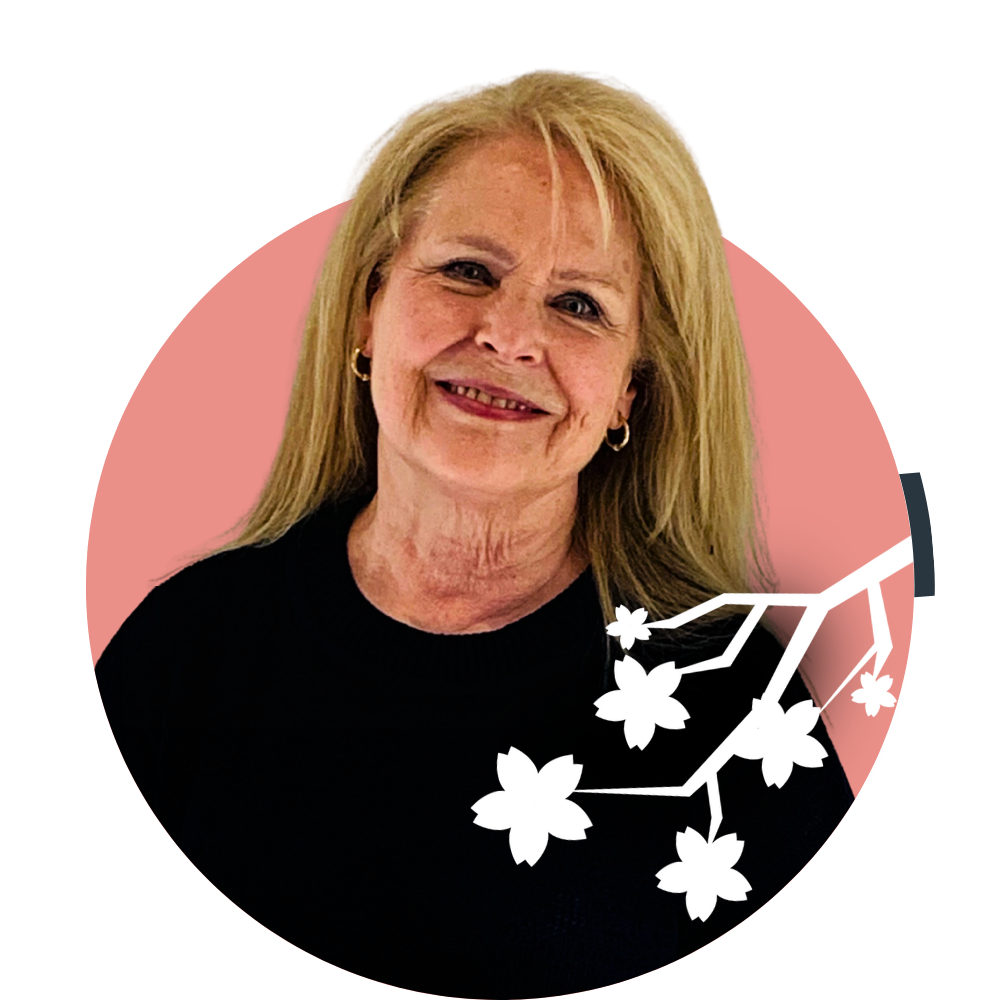
![Thumbnail image of associate therapist Michelle Stockwell: A smiling elderly woman with blonde hair and earrings, wearing a black top, with a graphic of white cherry blossoms and pink, purple, and dark teal geometric shapes in the background.]()
Michelle Stockwell
ASSOCIATE THERAPIST
-
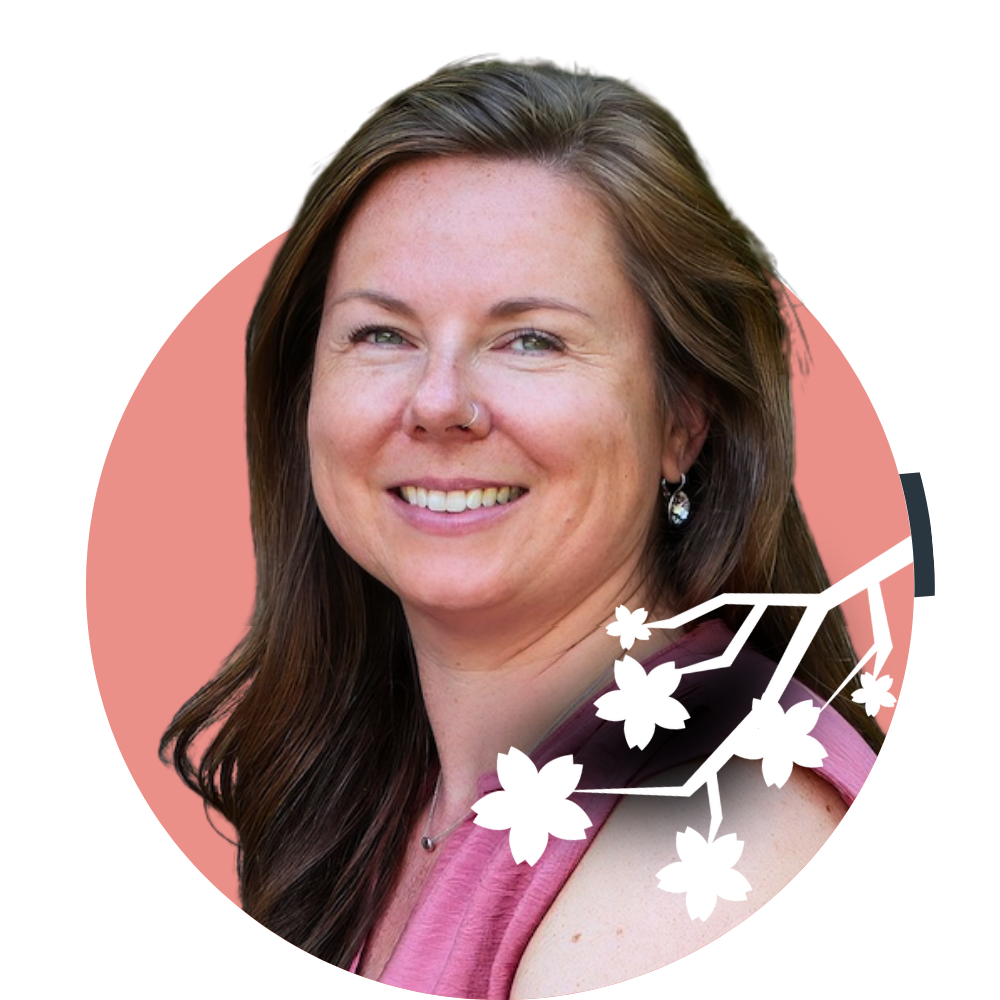
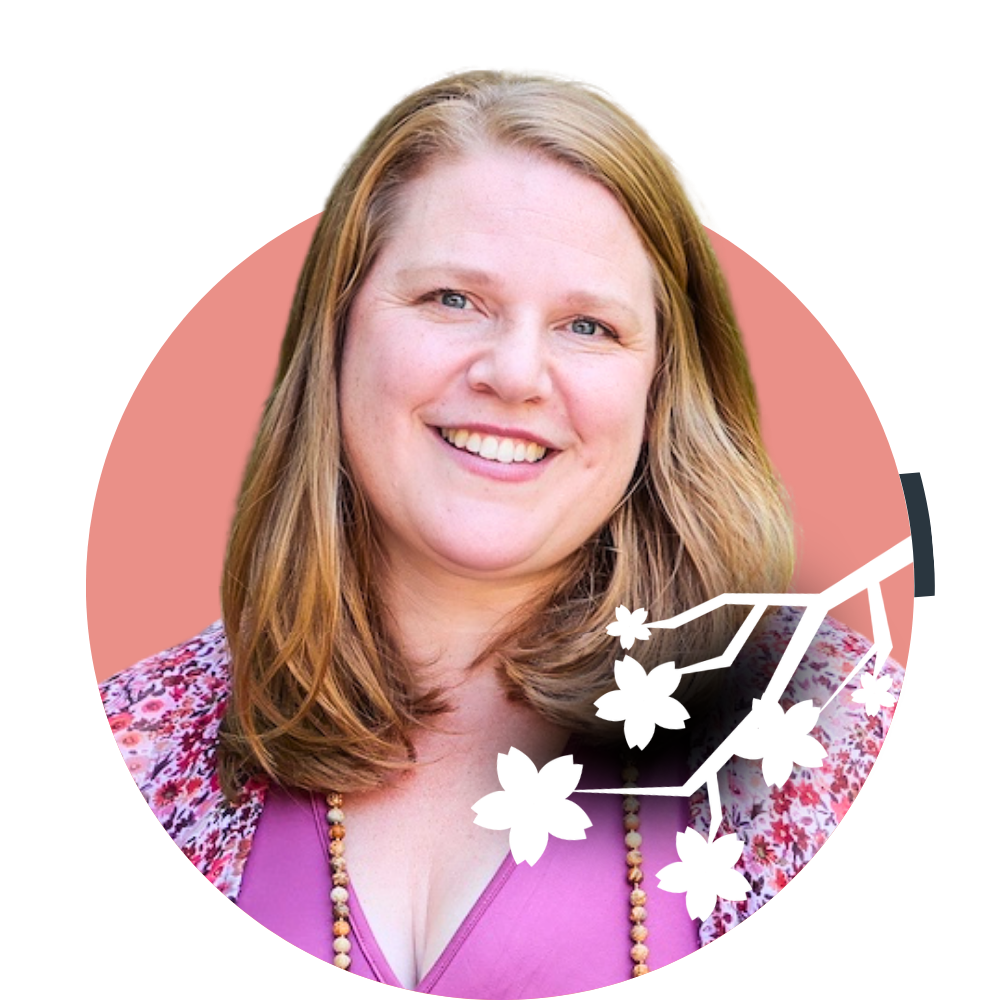
![Thumbnail image of associate therapist Jennifer Hines: A woman with long brown hair smiling, wearing earrings and a pink top, with a graphic of white cherry blossoms overlayed on her shoulder.]()
Jennifer Hines
ASSOCIATE THERAPIST
-
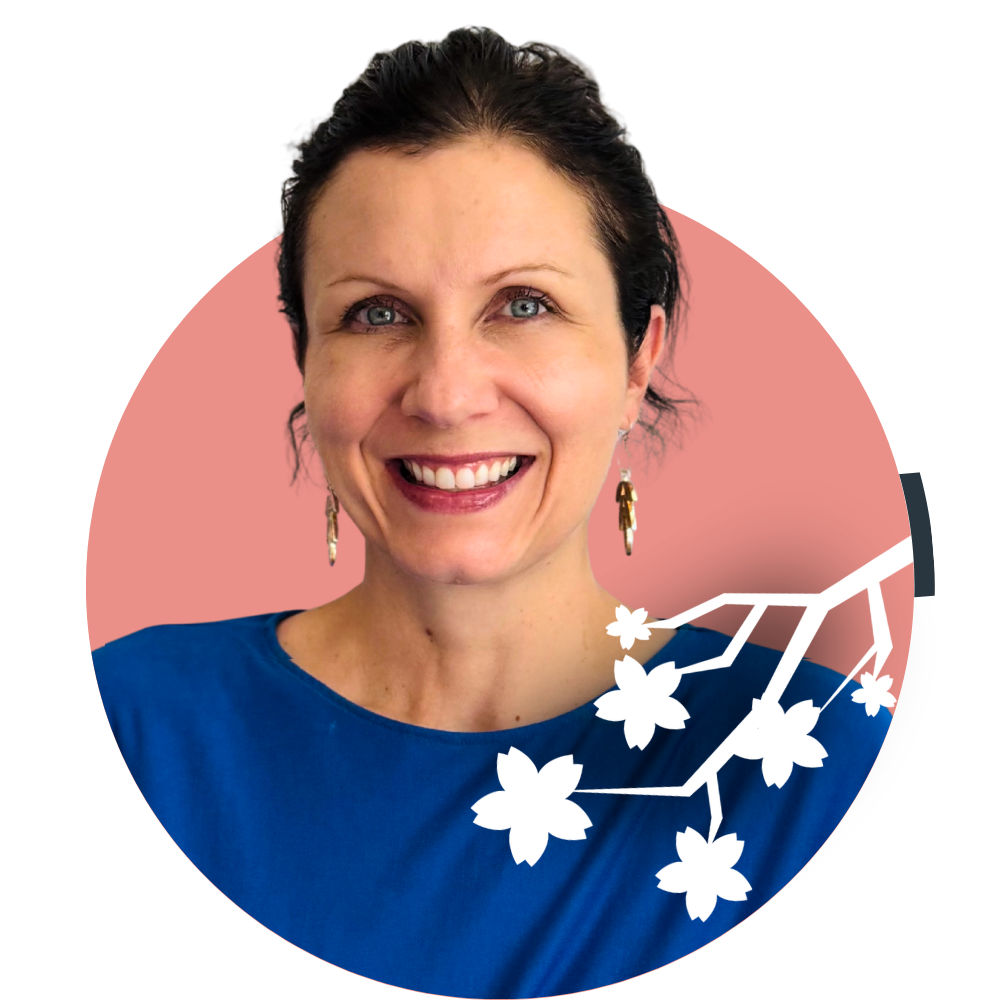
![Thumbnail image of associate therapist Amy Commanda: A woman with dark, wavy hair smiling at the camera, wearing a patterned top, with a pink background and white floral graphic overlay.]()
Amy Commanda
ASSOCIATE THERAPIST
-
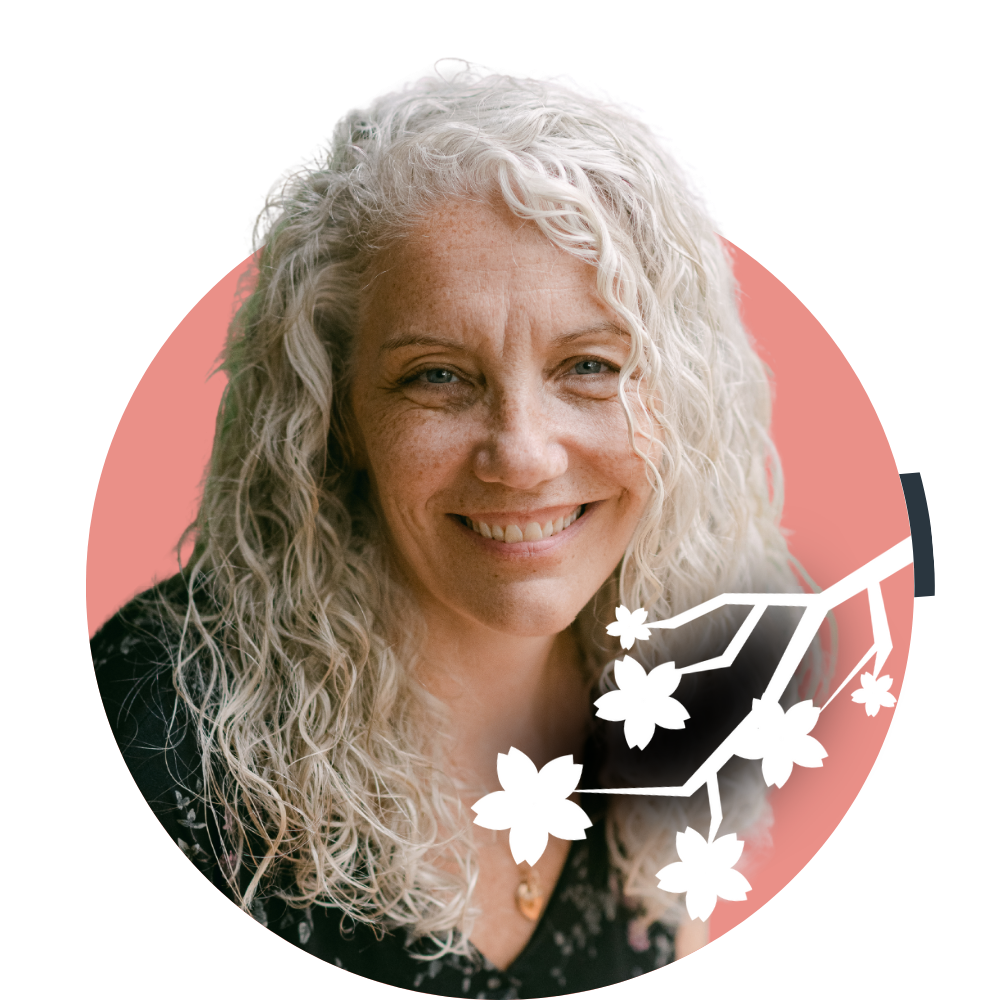
![Thumbnail image of associate therapist Beth Lewis: A woman with long, curly gray hair smiling at the camera, wearing a black floral top, with a pink background and white flower and branch graphic overlay.]()
Beth Lewis
ASSOCIATE THERAPIST
-
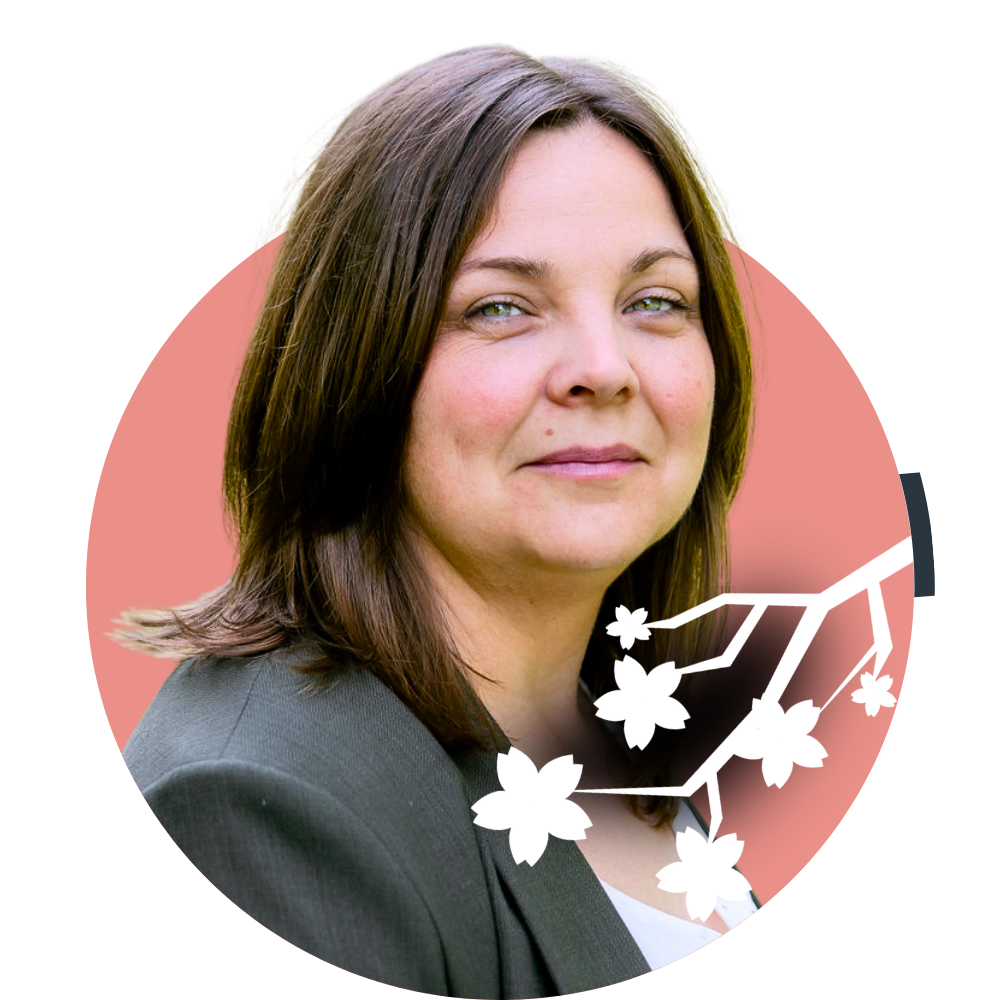
![]()
Lauren Anastasi
ASSOCIATE THERAPIST
-
![]()
Rebecca Harper
ASSOCIATE THERAPIST
-
![]()
Rachel Galbraith
ASSOCIATE THERAPIST
-
![]()
Selina Buesink
ASSOCIATE THERAPIST


You Deserve a Map For This
Let’s create a map together.