
FIND YOUR FIT

Menopause Therapist Team


We’re ready to support you.


The therapists below bring extensive experience to their practice in menopause support, providing services that are in alignment with your deepest core needs.

  • Thumbnail image of associate therapist Beth Lewis: A smiling woman with long, curly, gray hair and fair skin, wearing a black top and a necklace with a pendant, overlayed with an illustration of pink cherry blossom branches.

    Beth Lewis

    REGISTERED PSYCHOTHERAPIST

    VIRTUAL ONLY

  • Thumbnail image of associate therapist Amy Commanda: A woman with shoulder-length dark hair smiling, wearing a patterned black and light blue top, with a cherry blossom branch graphic overlay.

    Amy Commanda

    REGISTERED PSYCHOTHERAPIST

    VIRTUAL ONLY

  • Thumbnail image of associate therapist Jennifer Hines: Portrait of a woman with long brown hair, smiling, wearing earrings and a pink top, with cherry blossoms overlay.

    Jennifer Hines

    NURSE PSYCHOTHERAPIST

    IN-PERSON (DUNDAS) & VIRTUAL

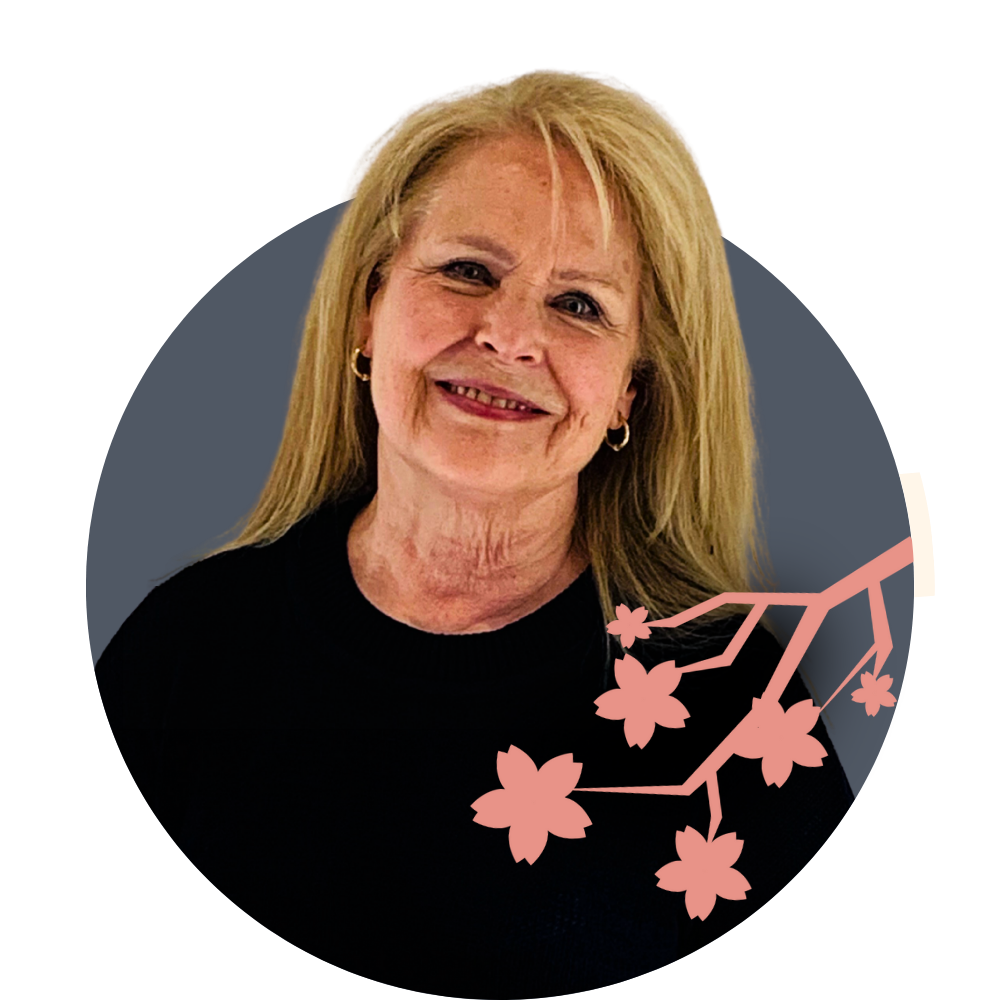
  • Thumbnail image of associate therapist Michelle Stockwell: A smiling woman with blonde hair, wearing a black top and small hoop earrings, standing in front of a stylized background with cherry blossom branches.

    Michelle Stockwell

    NURSE PSYCHOTHERAPIST

    IN-PERSON (DUNDAS) & VIRTUAL

  • Thumbnail image of associate therapist Lauren Anastasi: A woman with blonde hair, glasses, and a patterned top smiling at the camera, with a cherry blossom illustration overlay.

    Lauren Anastasi

    REGISTERED PSYCHOTHERAPIST

    IN-PERSON (DUNDAS) & VIRTUAL

  • Thumbnail image of associate therapist Rebecca Harper: A woman with shoulder-length brown hair, wearing a dark jacket, looking at the camera with a slight smile. An illustration of cherry blossom branches overlays the lower right of the image.

    Rebecca Harper

    REGISTERED PSYCHOTHERAPIST

    IN-PERSON (DUNDAS) & VIRTUAL

  • Thumbnail image of associate therapist Rachel Galbraith: A woman with blonde hair smiling, wearing a pink top and floral jacket, with cherry blossom graphic overlay.

    Rachel Galbraith

    REGISTERED PSYCHOTHERAPIST

    IN-PERSON (DUNDAS) & VIRTUAL

What Does Menopause Care Mean to Us?

  • "Menopause care matters to me because I’ve experienced the lack of support and guidance from healthcare providers—often simply due to limited knowledge. Women’s voices and experiences deserve to be heard. Supporting women through this stage, when hormonal changes impact both mental and physical health, is essential. No one should have to navigate it alone."

    —Beth Lewis, Registered Psychotherapist

  • "What matters most to me in menopause care is helping clients feel supported and empowered to seek the best care for their unique journey. With knowledge, agency, and a sense of community, women can better understand and care for their changing physical and emotional needs. They deserve to feel confident discussing these normal experiences and accessing holistic, evidence-based support—whether through medical providers, therapists, or community resources."

    —Michelle Stockwell, Nurse Psychotherapist

  • "Menopause care, to me, means walking alongside clients through a transition I’m beginning to understand personally. As I enter perimenopause, I see how exhausting and overwhelming this stage can be. Having the right knowledge, tools, and a clear plan can ease that burden and bring a sense of steadiness. That’s what I aim to offer—support that is grounding, practical, and genuinely understanding."

    —Amy Commanda, Registered Psychotherapist

  • "Menopause care, to me, is about bringing this stage out of the shadows and into open, supported conversation. Too often, people are told to expect symptoms and endure them alone, but care means something more. It means knowing you do not have to suffer in silence and that meaningful support exists. From a therapeutic lens, menopause is an invitation to better understand our bodies, listen to our needs, and respond with compassion. It is a time for curiosity, not dismissal, and no one should have to navigate it alone or accept 'this is just how it is'."

    -Rachel Galbraith, Registered Psychotherapist

  • "Menopause care is about listening differently. When women say I don't feel like myself', it's not something to dismiss or push through. It is understanding how hormones, mental health, and the nervous system are connected and treating them that way. Too often, symptoms are managed in isolation. Care should feel more integrated, validating, and empowering. My goal is simple - to create a space where women feel seen, understood, and supported.

    —Jennifer Hines, Nurse Psychotherapist

  • "Menopause care means the same care and support that many women give to others their whole lives."

    —Rebecca Harper, Registered Psychotherapist

You Deserve a Map For This

We’re ready to build that map with you.