

Therapy for Obsessive-Compulsive Disorder (OCD)
Support for intrusive thoughts, compulsions and the exhausting cycle of doubt, fear and reassurance that OCD can create.
Cherry Tree Counselling offers therapy and support for Obsessive Compulsive Disorder (OCD) in Dundas and virtually across Ontario. OCD can involve unwanted intrusive thoughts, images, sensations or urges, along with compulsions or rituals intended to reduce distress, prevent something from happening or create a sense of certainty.
OCD can be confusing, distressing and time-consuming, and it doesn't always look the way it's portrayed in popular culture. Working with a therapist who understands OCD can help you make sense of what you're experiencing and develop a different relationship with the cycle of obsessions and compulsions.
What Can OCD Look Like?
OCD is often associated with cleanliness or organization, but it can involve many different themes and experiences. According to the Centre for Addiction and Mental Health (CAMH), OCD involves obsessions and/or compulsions that can become distressing and interfere with daily life.
Obsessions are recurring and unwanted thoughts, images, sensations or urges that can create significant anxiety, uncertainty or distress.
Compulsions are behaviours or mental acts someone feels driven to perform in response to an obsession, often in an attempt to reduce anxiety, gain certainty or prevent a feared outcome.
Some experiences associated with OCD can include:

Repeated checking
Contamination fears and cleaning rituals
Reassurance seeking
Repeating actions until they feel “right”
Counting or arranging
Reviewing conversations or events repeatedly
Mental rituals, such as repeating words or phrases
Persistent doubt about decisions or memories
Distressing intrusive thoughts or images
Avoiding situations that trigger obsessions
Feeling an intense need for certainty
Compulsions aren't always visible to other people. Mental checking, reviewing, reassurance seeking and avoidance can be just as much a part of the OCD cycle as more recognizable rituals.
Intrusive Thoughts and OCD
Intrusive thoughts are unwanted thoughts, images or urges that can feel disturbing, frightening or completely inconsistent with how someone sees themselves.
With OCD, the distress often isn't only about having the thought. It can come from becoming caught in questions about what the thought means, whether it says something about you, whether something terrible could happen, or whether you can ever be completely certain.
This can lead to checking, reassurance-seeking, avoidance, researching, confessing, reviewing memories or other attempts to gain certainty.
Feeling distressed by an intrusive thought does not mean you chose it or wanted it. Therapy can provide a non-judgmental place to talk about experiences that may otherwise feel difficult or frightening to share.


OCD During Pregnancy, Postpartum & Other Life Transitions
OCD symptoms can occur at different points throughout life, and some people experience new or changing symptoms during significant transitions.
Pregnancy and the postpartum period can be particularly confusing when intrusive thoughts become focused on a baby's health, safety or wellbeing. Someone may find themselves repeatedly checking, avoiding certain situations, seeking reassurance or becoming intensely distressed by unwanted thoughts.
If you're experiencing intrusive thoughts during pregnancy or postpartum, having a place where you can speak openly and without judgment can be especially important.
Meet Our Therapists Supporting OCD
At Cherry Tree, Rachel Gibbs and Emily Muizelaar are trained to support clients experiencing OCD. Both bring training in evidence-based approaches for OCD, with Emily offering additional support specifically for perinatal OCD. The International OCD Foundation identifies ERP, a specific form of CBT, as a first-line psychological treatment for OCD.

Rachel Gibbs
REGISTERED SOCIAL WORKER
Rachel offers evidence-based therapy for adults experiencing OCD, anxiety, panic, perfectionism and related concerns. Her approach is warm and relational while also incorporating practical strategies and skill-building tailored to each client's needs.
Rachel has completed training through the International OCD Foundation Training Institute and incorporates Exposure and Response Prevention (ERP) and Cognitive Behavioural Therapy (CBT) into her work. She supports clients in understanding patterns of obsessions and compulsions, responding differently to intrusive thoughts and gradually reducing the behaviours that can keep the OCD cycle going.
Rachel offers both in-person sessions in Dundas and virtual therapy.
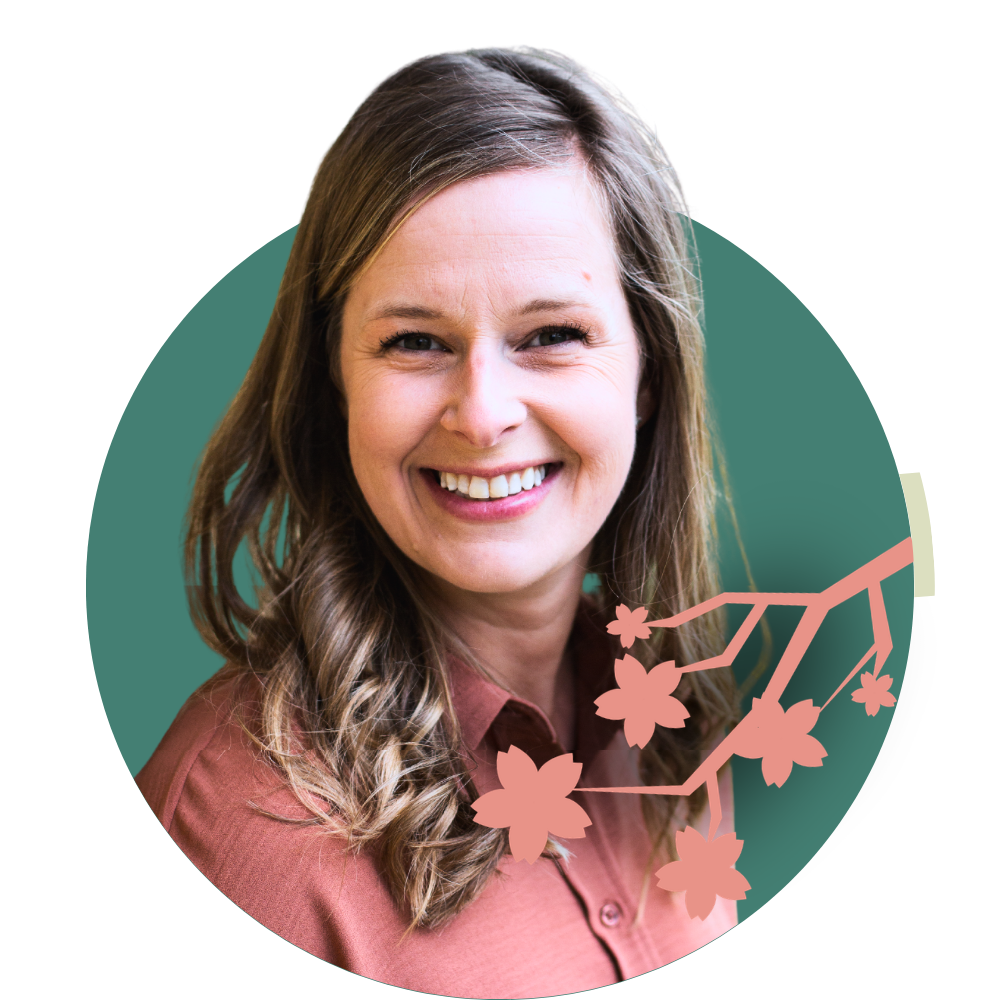
Emily Muizelaar
REGISTERED SOCIAL WORKER
Emily offers therapy for OCD with a particular focus on perinatal OCD during pregnancy and the postpartum period. She has completed SickKids mental health training in perinatal OCD, including the use of Exposure and Response Prevention (ERP) and Cognitive Behavioural Therapy (CBT).
Perinatal OCD can involve distressing intrusive thoughts, intense fears about a baby's health or safety, repeated checking, reassurance seeking, avoidance or other compulsive responses. These experiences can feel particularly frightening when intrusive thoughts conflict with how someone feels about their baby or the kind of parent they want to be.
Emily provides a supportive, non-judgmental space to talk openly about these experiences and offers both virtual and in-person sessions in Dundas.
Frequently Asked Questions
Have more questions?
-
Everyone experiences worries, doubts or unwanted thoughts sometimes. OCD involves patterns of obsessions and compulsions that can cause significant distress, consume time or interfere with everyday life. A qualified healthcare professional can help assess whether what you're experiencing may be OCD or something else.
-
Intrusive thoughts are unwanted thoughts, images or urges, and they can be especially distressing when they conflict with a person's values or sense of self. Having an intrusive thought is not the same as choosing or intending it. If intrusive thoughts are causing significant distress or leading to repeated checking, reassurance or avoidance, speaking with a qualified professional may be helpful.
-
No. Compulsions can be visible behaviours such as checking or washing, but they can also happen mentally. Repeatedly reviewing memories, counting, mentally checking, repeating phrases or trying to gain certainty can also become compulsive patterns.
-
OCD symptoms can occur during pregnancy and the postpartum period, including intrusive thoughts related to a baby's safety or wellbeing and repeated checking, avoidance or reassurance seeking. Specialized mental health support can help someone discuss these experiences without judgment and determine what support may be appropriate.
-
Cognitive behavioural therapy (CBT), including Exposure and Response Prevention (ERP), is among the established psychological treatments for OCD. The appropriate treatment depends on the individual, so it is important to work with a qualified professional whose training and experience are suited to your needs.
-
Yes. Cherry Tree Counselling offers virtual therapy across Ontario, although individual therapists have different areas of training and practice. Review our therapist profiles or contact our team to identify clinicians who currently support OCD.

Finding the Right Support Matters
OCD can make you question your thoughts, your memories and even yourself. You don't need to have everything figured out before reaching out for support.
Cherry Tree Counselling offers in-person counselling in Dundas and virtual therapy across Ontario. Explore our therapist profiles to find clinicians who support OCD and related concerns, or contact our team for help exploring your options.
Related Counselling Services
-
![A woman with shoulder-length hair looking to the side with a stressed expression, fanning herself with a folding fan, in a room with a blurry background of shelves and various items.]()
Perimenopause and Menopause Support
-
![Hand holding a menstrual cup with rose petals peaking out, with dark rose petals scattered on a pink background.]()
Menstrual Mental Health
-
![Two people forming a heart shape with their hands.]()
Couples and Relationship Support
-
![Two women sitting on a couch each holding a baby, smiling and looking at the babies, in a cozy room with bookshelves in the background.]()
Maternal Mental Health & Wellness
-
![]()
Women's Wellness